About SPM

A spongy monolith  is a flexible porous separation medium made from poly(ethylene-co-glycidyl methacrylate), a general-purpose polymer, that is already manufactured at an industrial scale. Its large through-pores (5 μm to several hundreds μm) , which are  significantly larger than those of conventional separation media, enable highly permeable separations. In addition, SPM easily binds with a wide range of protein ligands and other functional groups. This is due to the presence of reactive epoxide groups on the SPM surface, which readily react with functional groups such as NH2, SH, OH. As a result, arbitrary biomolecules can be immobilized on the SPM surface without complicated procedure. These features make SPM a promising next-generation separation medium.
Physical Features

  1. High-throughput separations enabled by large through-pores, allowing high flow rate at low pressure
  2. Superior separation of large biomolecules (e.g., proteins, cells) to particle-packed media
  3. High-density immobilization of affinity ligand via reactive epoxide groups  on the SPM surface
  4. Extremely low irreversible adsorption of biomolecules after immobilization
  5. Excellent formability, enabling integration with various devices and existing systems 

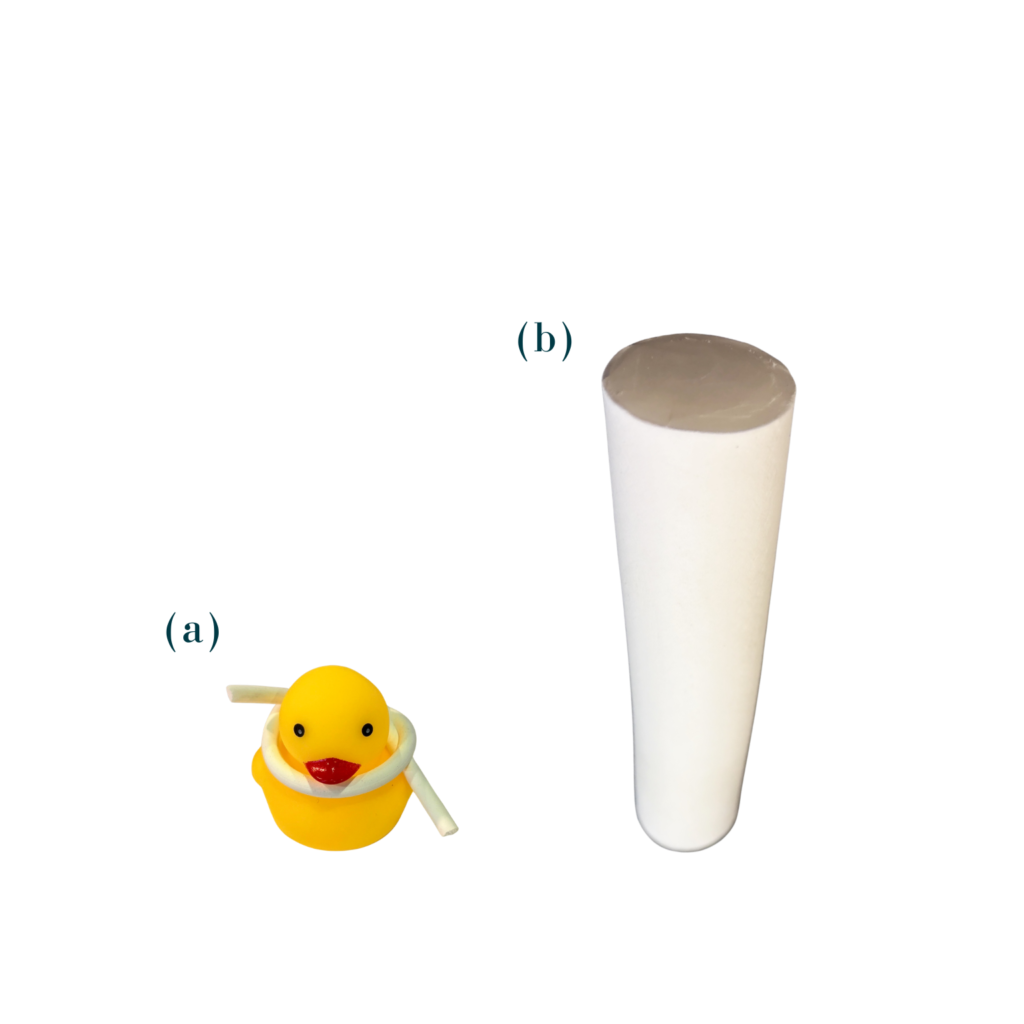
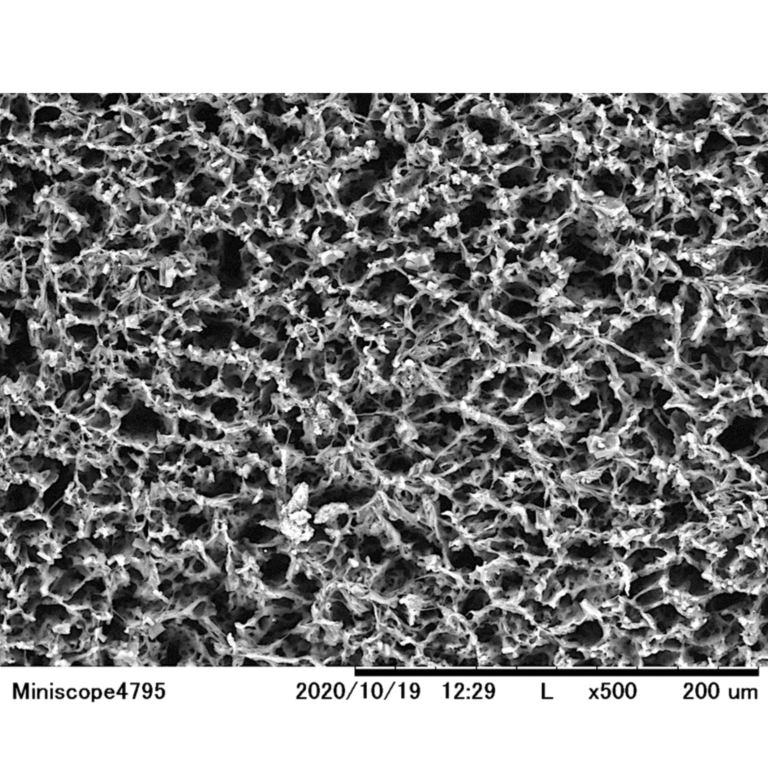
Appearance and Pore Structure of the Spongy Monolith

(a) 4.7 mm o.d., (b) 30 mm o.d.

SEM image (× 500)

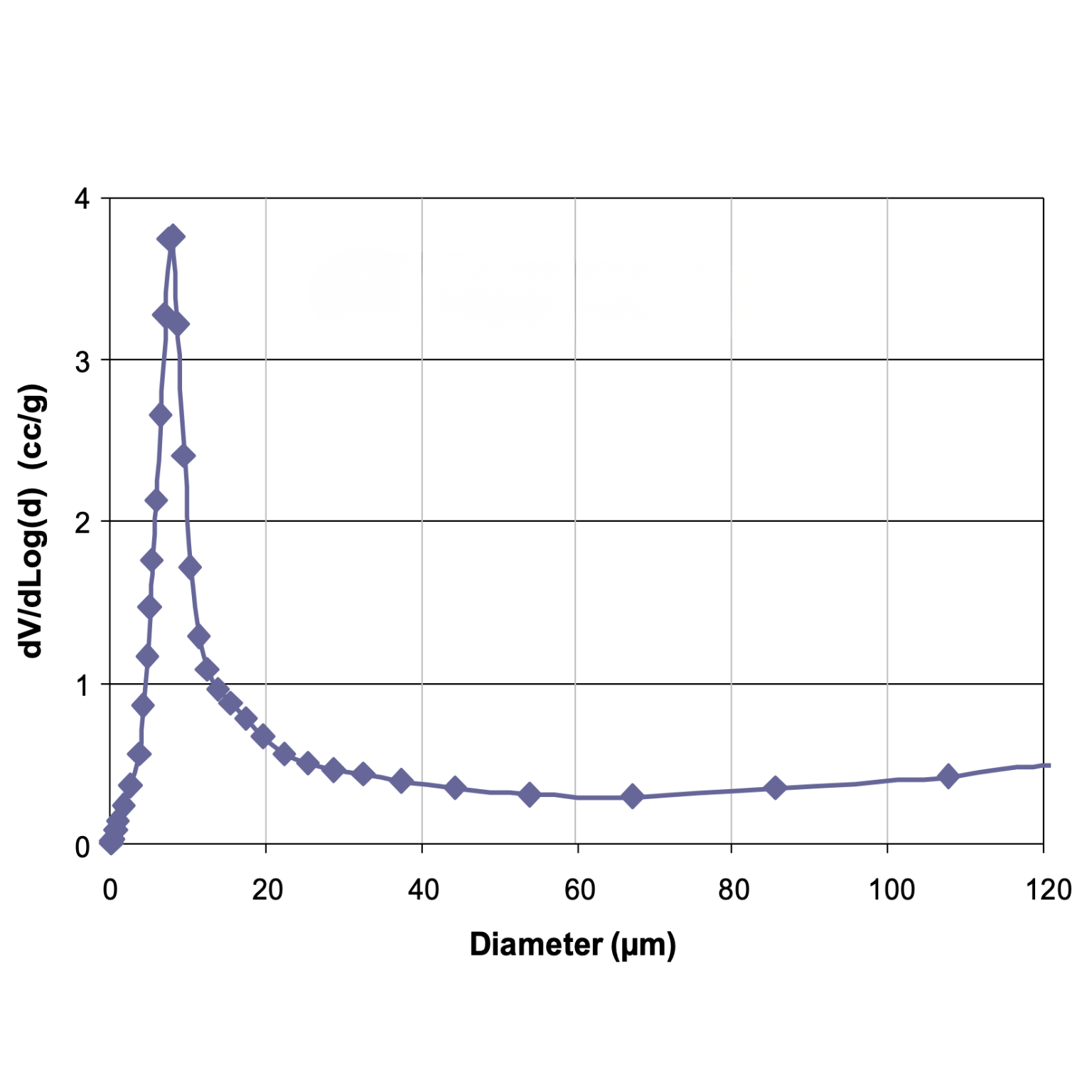
Average pore size: 10.5 µm

Chemical Features

  1. Enables various modifications via hydroxy or epoxide groups on the SPM surface
  2. Retains the functions of biomolecules (enzymes, antibodies, lectins) immobilized on the SPM surface
  3. Exhibits high resistance to alkaline conditions
  4. Lighter than conventinal separation media and easy to scale up
  5. Can be disposed of by incineration

Chemical Structure of the Spongy Monolith

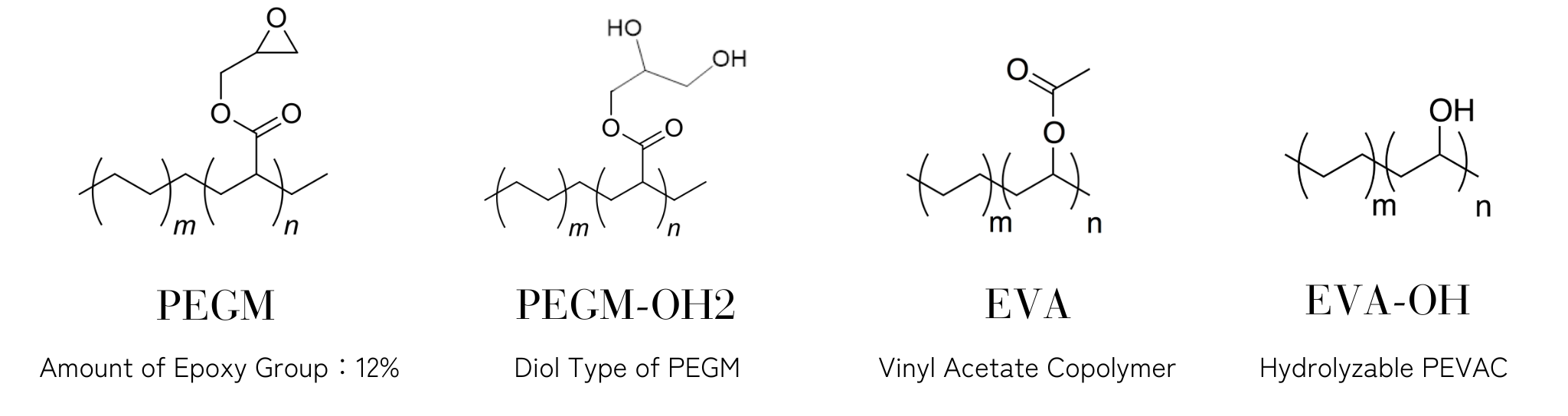
Monolithic separation media with large through-pores can be fabricated from thermoplastic polymers such as PEGM poly(ethylene-co-glycidyl methacrylate), which contains reactive epoxide group, and EVA poly(ethylene-co-vinyl acetate), which has acetic acid vinyl structures, as well as other  similar materials.

上部へスクロール